Herbs for hair have long been the backbone of Pakistan’s rich botanical heritage, deeply rooted in the country’s diverse geography. From the legendary herb markets of Lahore’s Anarkali Bazaar to the remote mountain villages of Gilgit-Baltistan, these natural remedies have been used for centuries to nourish and strengthen locks. While many today are quick to reach for synthetic serums and chemical-laden shampoos—often causing more long-term damage than benefit—the ancient wisdom of using indigenous plants offers a healthier, time-tested alternative for hair vitality.
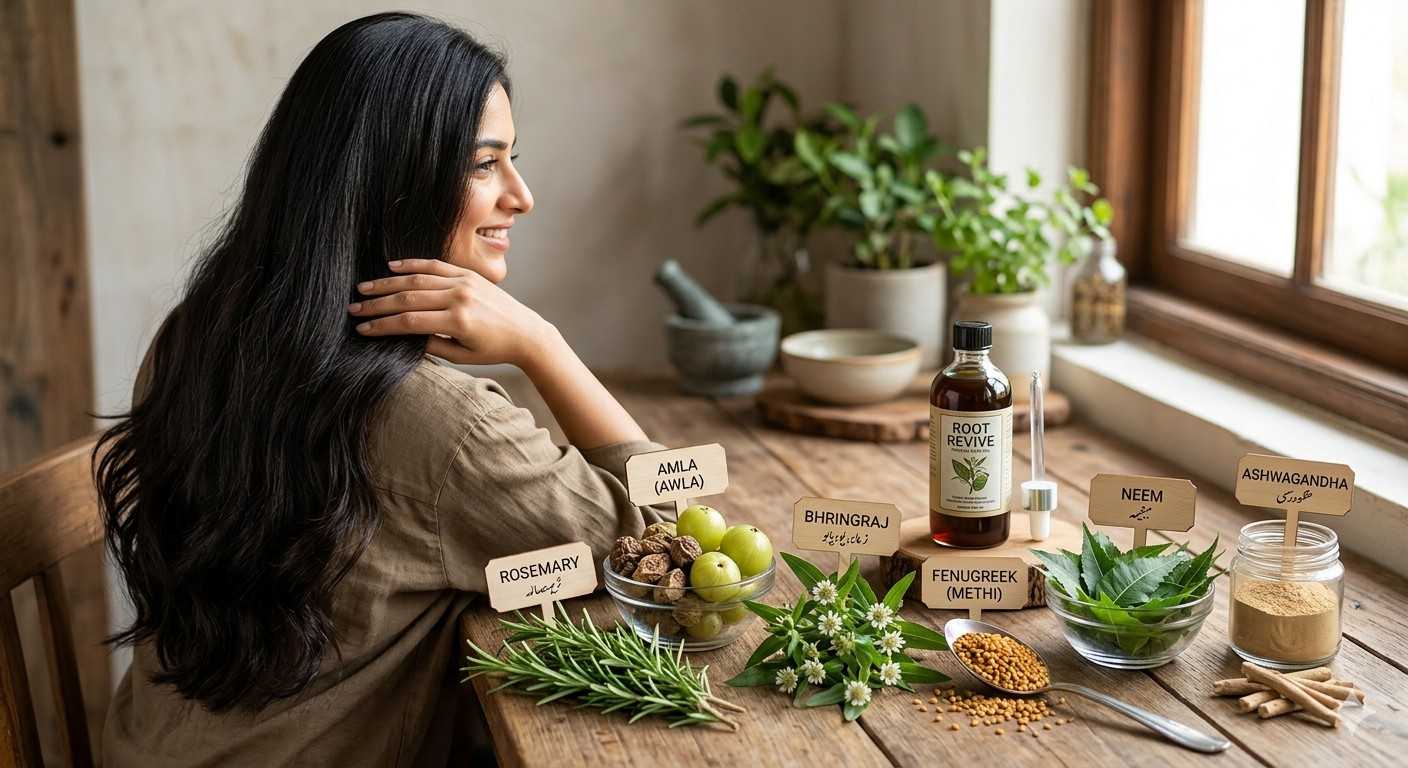
The good news? The herbs that work best for hair growth are not exotic imports. Most are available in your local pansari shop, and science is now confirming what our grandmothers always knew.
In this guide, we cover the best herbs for hair growth in Pakistan — what they do, how to use them, and where to get them.
Why Herbs Work for Hair Growth
Hair loss in Pakistan is driven by a specific mix of factors: hard water (especially in Lahore and Karachi), nutritional deficiencies, chronic stress, hormonal changes, and the heavy use of chemical hair products. Most pharmaceutical hair treatments address only one of these at a time.
Herbs work differently. They typically target hair growth through multiple pathways simultaneously — improving scalp circulation, reducing inflammation, balancing hormones, and delivering direct nutrition to hair follicles. This multi-action approach is why herbal remedies have survived thousands of years of use.
Let’s look at the most effective ones.
1. Rosemary (Rosmarin) — The Scientifically Proven One
If you only pick one herbs for hair growth, make it rosemary. A landmark 2015 clinical trial published in SKINmed Journal compared rosemary oil directly against minoxidil (the active ingredient in Rogaine) over six months. Rosemary oil performed equally well — and caused significantly fewer side effects like scalp itching.
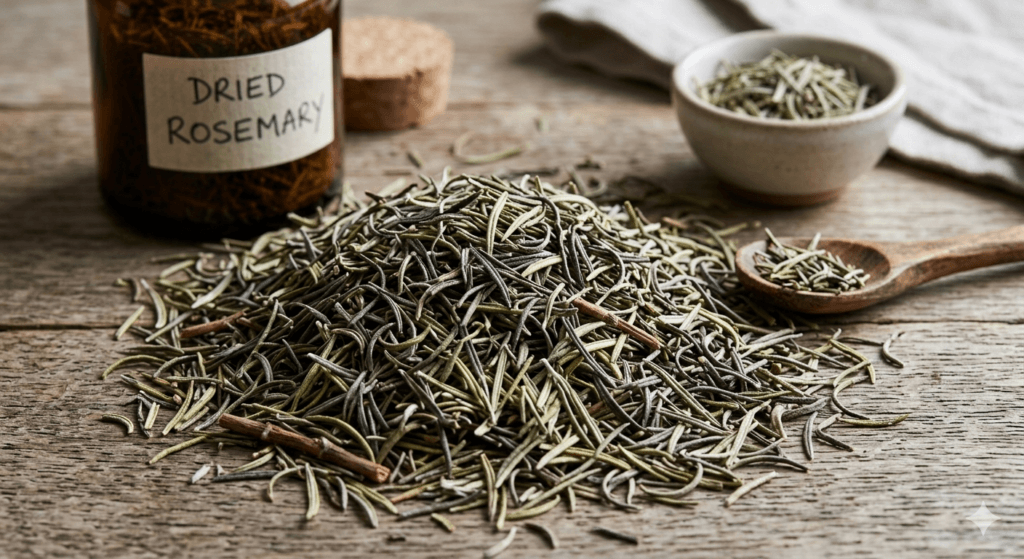
How it works: Rosemary improves blood circulation to the scalp by dilating capillaries, which means more oxygen and nutrients reach your hair follicles. It also has anti-inflammatory properties that soothe a dry, irritated scalp — a common hair loss trigger in Pakistani climate.
Purchase Rosemary from herblo naturals
How to use in Pakistan:
- Mix 3–4 drops of rosemary essential oil into 2 tablespoons of carrier oil (coconut or olive oil)
- Massage gently into your scalp for 5 minutes
- Leave on for at least 30 minutes before washing
- Use 2–3 times per week for best results
Dried rosemary leaves are widely available at pansari shops across Pakistan. Rosemary essential oil can be found at herbal stores in Lahore, Karachi, and Islamabad, or ordered online.
2. Amla / Awla (آملہ) — Pakistan’s Own Hair Superfood
When it comes to selecting a powerhouse herbs for hair, Amla—known as awla in Urdu—is arguably the most important botanical in South Asian tradition, and for very good reason. It stands as one of the richest natural sources of Vitamin C on the planet, containing nearly 20 times more Vitamin C than an orange.
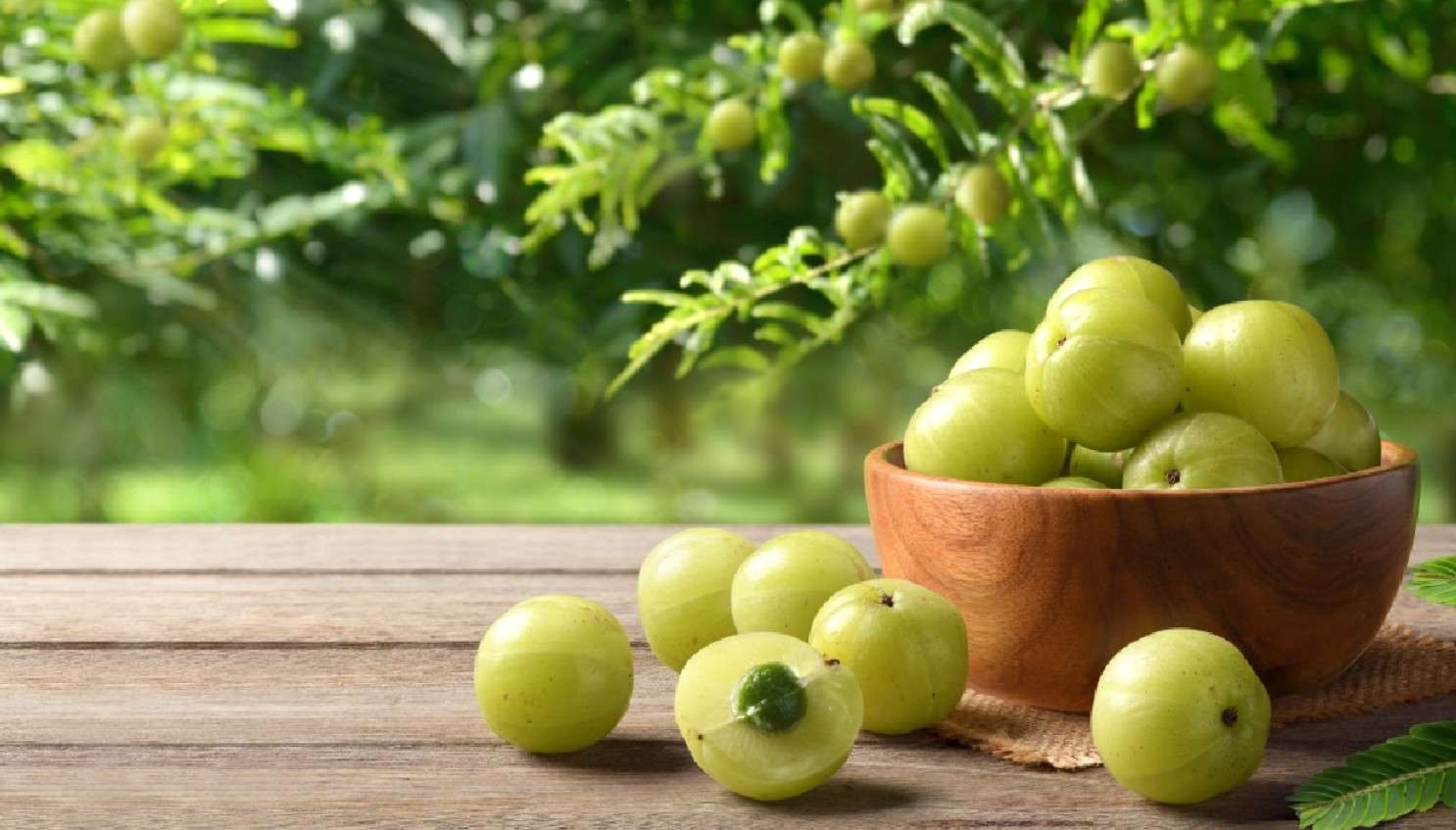
How it works: Vitamin C is essential for collagen production. Collagen forms the structural foundation of your hair shaft. Without adequate collagen, hair becomes brittle, breaks easily, and grows slowly. Amla also contains tannins, gallic acid, and ellagic acid — antioxidants that protect hair follicles from oxidative damage caused by pollution and UV exposure. Pakistani cities, particularly Lahore, rank among the most polluted in the world; amla’s antioxidant protection is especially relevant here.
Additionally, amla has been shown to inhibit 5-alpha reductase — the enzyme responsible for converting testosterone into DHT, which is the main hormonal driver of pattern baldness in both men and women.
How to use:
- Amla oil: Warm amla oil and massage into the scalp 2–3 times per week
- Amla powder mask: Mix 2 tablespoons amla powder with warm water to form a paste; apply to scalp, leave for 20 minutes, rinse
- Amla juice: Drink 20–30ml fresh amla juice daily for internal support
Amla is extraordinarily easy to find in Pakistan — every pansari shop carries dried amla, amla powder, and amla oil. Fresh amla is available seasonally in most fruit markets.
3. Bhringraj (بھنگراج) — The King of Hair Herbs
If rosemary is the Western gold standard, bhringraj is the ultimate Subcontinental herbs for hair health and growth. Called kesharaj in Sanskrit — meaning “king of hair” — this potent botanical has been used in traditional medicine for thousands of years specifically to combat hair loss, halt premature greying, and revitalize the scalp.
How it works: Bhringraj contains compounds called wedelolactone and ecliptasaponins that stimulate hair follicle cells and extend the anagen (growth) phase of the hair cycle. A 2009 study published in the Journal of Ethnopharmacology found that bhringraj extract promoted hair growth in animal models, with results comparable to minoxidil 2%.
It is also deeply cooling — an important property in Pakistan’s hot, dry climate, which causes excess scalp heat and sebum production that can block follicles and slow growth.
How to use:
- Bhringraj oil is the most common and effective form — massage warm bhringraj oil into the scalp, leave overnight, wash in the morning
- Bhringraj powder can be mixed with yogurt as a scalp pack (apply for 30 minutes)
- Use 2–3 times per week consistently for at least 3 months to see results
Bhringraj oil and powder are available at major pansari shops and herbal stores in Lahore, Karachi, Islamabad, and Peshawar.
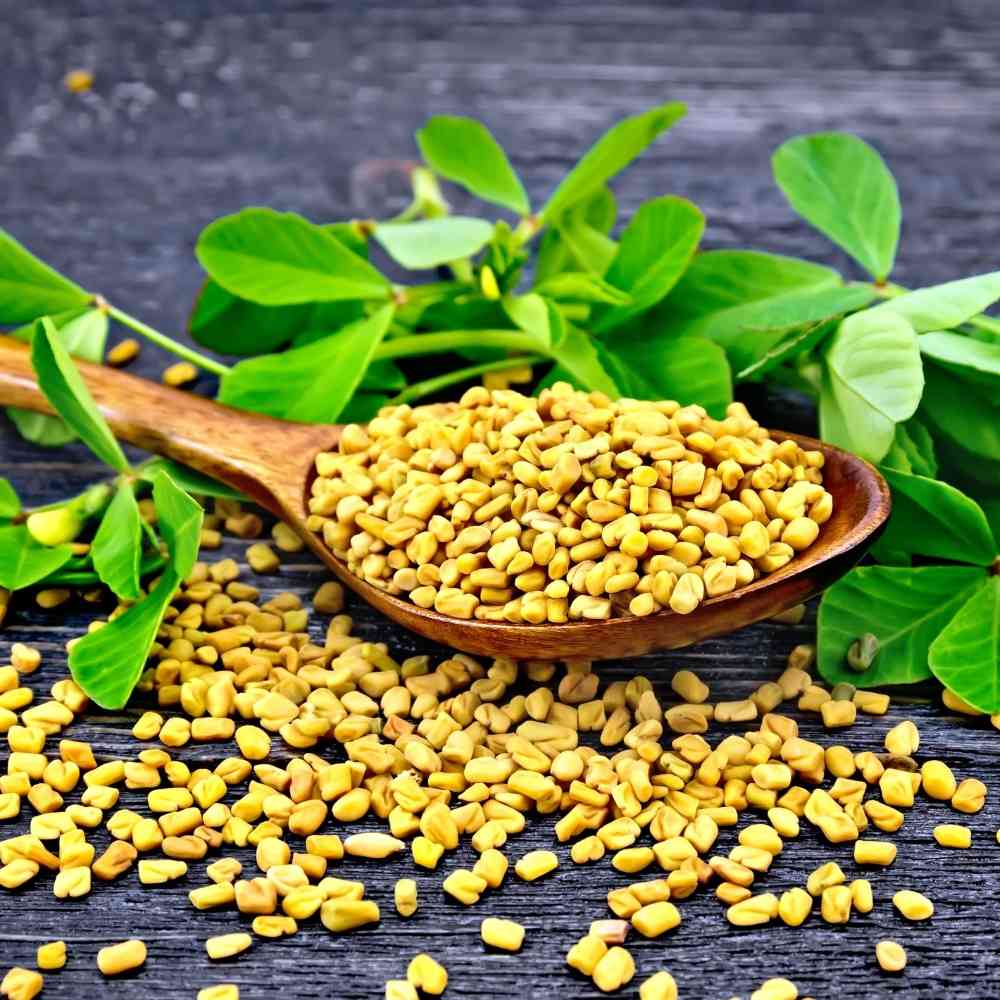
4. Methi Dana (میتھی دانہ / Fenugreek) — The Kitchen Herb That Grows Hair
Fenugreek — methi dana — sits in almost every Pakistani kitchen, used daily in cooking. Yet, most people don’t realize that it is also one of the most effective herbs for hair growth and hair fall prevention.
How it works: Fenugreek seeds are extraordinarily rich in protein and nicotinic acid (niacin), both of which feed hair follicles directly. They also contain lecithin, a natural emollient that strengthens and moisturises the hair shaft, reducing breakage. Perhaps most importantly, fenugreek contains phytoestrogens — plant compounds that mimic estrogen in the body. Since declining estrogen is one of the main causes of hair loss in women (particularly after childbirth and during menopause), fenugreek can help rebalance this naturally.
How to use:
- Soak 2 tablespoons of methi dana in water overnight
- Grind into a smooth paste in the morning
- Apply directly to the scalp, leave for 30–45 minutes
- Rinse thoroughly with cool water
- Use twice a week
This is one of the most affordable hair growth treatments available in Pakistan — methi dana costs a few rupees per 100 grams and is available everywhere.
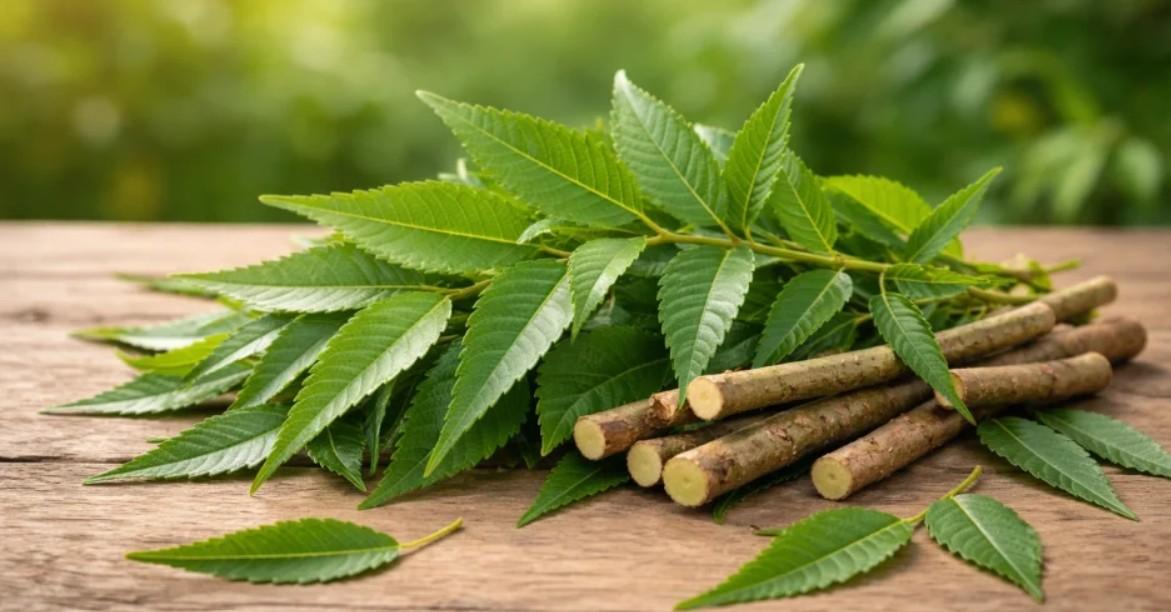
5. Neem (نیم) — For Scalp Health and Dandruff
While neem is not primarily a hair growth agent, it earns its essential place on this list because it is the ultimate herbs for hair and scalp health—addressing the hidden causes of hair loss in Pakistan. Dandruff, seborrheic dermatitis, and fungal scalp infections clog hair follicles, causing inflammation that prevents hair from growing properly.
How it works: Neem contains azadirachtin, nimbin, and nimbidin — compounds with powerful antifungal, antibacterial, and anti-inflammatory properties. A healthy, clean scalp allows existing herbs to work far more effectively.
How to use:
- Boil 10–15 fresh neem leaves in 500ml water for 10 minutes; cool and use as a final rinse after washing hair
- Neem oil (diluted in coconut oil) can be massaged into the scalp to treat dandruff and itching
- Neem powder can be added to any hair mask
Neem is abundantly available across Pakistan — fresh neem leaves can be picked directly from the trees that line most Pakistani streets, and neem oil is available at all pansari shops.
6. Ashwagandha — For Stress-Related Hair Loss
Stress is an epidemic in Pakistan, and chronic stress is one of the most underappreciated causes of hair loss. When the body is under sustained stress, it produces excess cortisol. This elevated hormone directly disrupts the hair growth cycle, pushing follicles prematurely into the shedding phase—a condition known as telogen effluvium. To combat this systemic issue, using an adaptogenic herbs for hair health from the inside out becomes essential.
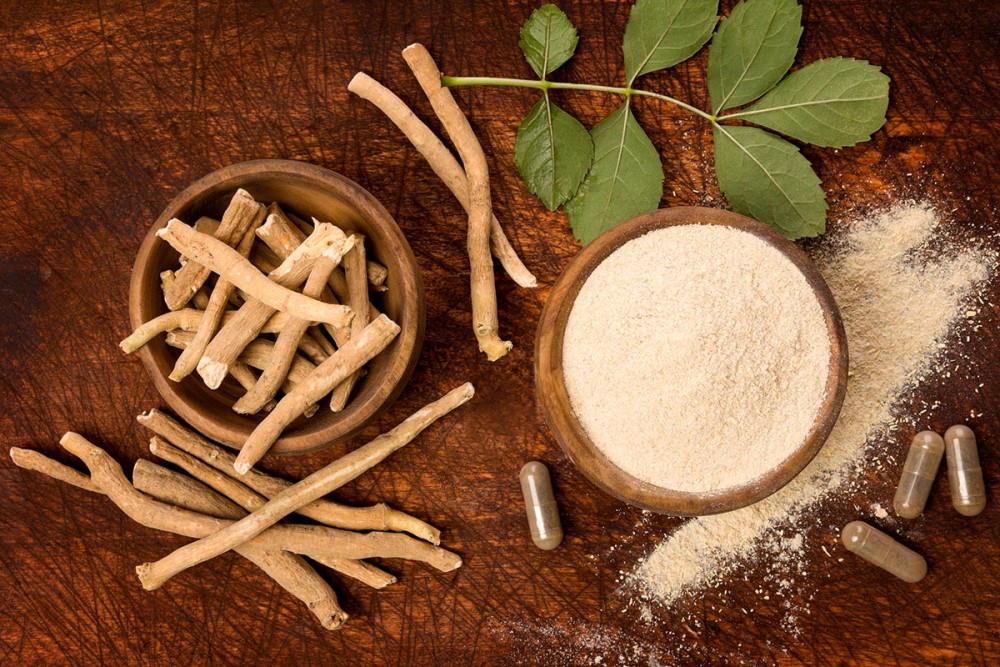
Ashwagandha (اشوا گندھا) is an adaptogen — a herb that helps the body regulate and recover from stress. By lowering cortisol levels, it indirectly but powerfully supports healthy hair growth. We have written a detailed guide on how ashwagandha reduces cortisol if you want to understand the science.
How to use for hair: Take 300–600mg of ashwagandha root extract daily as a supplement. Look for a standardised extract with at least 5% withanolides for best results. Results typically begin in 6–8 weeks.
Purchase Ashwagandha from Herblo Naurals
How to Build a Simple At-Home Herbal Hair Routine
You don’t need all six herbs at once. A simple, consistent routine using a dedicated herbs for hair health works much better than an occasional, complicated treatment. Here is a straightforward starter routine using highly effective, locally available Pakistani botanicals to transform your hair care regimen:
Twice weekly: Rosemary oil + coconut oil scalp massage (leave for 1 hour before washing)
Once weekly: Amla powder + fenugreek paste mask (leave for 30 minutes before washing)
Daily: Drink a glass of warm water with a teaspoon of amla powder stirred in
Whenever needed: Neem leaf rinse after washing hair if you have dandruff or scalp irritation
Stick to this for 90 days before judging results. Hair grows approximately 1–1.5cm per month — meaningful improvement in hair density and reduced shedding typically takes 3–4 months of consistent use.
Common Questions
Are these herbs safe for daily use? Yes. These are food-grade herbs used in Pakistani cooking and traditional medicine for centuries. They are safe for most people. If you are pregnant, breastfeeding, or on medication for thyroid or hormonal conditions, consult your doctor before taking ashwagandha internally.
Where can I buy quality herbal products in Pakistan? Large pansari shops in any city carry most of these herbs. For standardised, tested extracts and oils, look for reputable online herbal stores that source properly. Be cautious of very cheap products — adulteration is common in unregulated herbal markets.
How long before I see results? Expect 8–12 weeks of consistent use before noticing a meaningful reduction in hair fall. New hair growth becomes visible at around 3–4 months. Patience is essential — hair grows slowly.
Final Word
Pakistan’s herbal heritage is extraordinarily rich. The botanicals that grow in our own soil and fill our pansari bazaars are genuinely among the most effective options when choosing a natural herbs for hair growth that modern science has validated. Rosemary, amla, bhringraj, methi, neem, and ashwagandha are not folk myths — they are time-tested, research-backed tools for healthier, stronger hair.
Start with one or two, be consistent, and give them time. Your hair will thank you.

Dr. KJ Minhas, M.Phil, DHMS (Diploma in Homeopathic Medicine and Surgery), registered practitioner with the National Council for Homeopathy (NCH) — reviews content for accuracy and safety.