
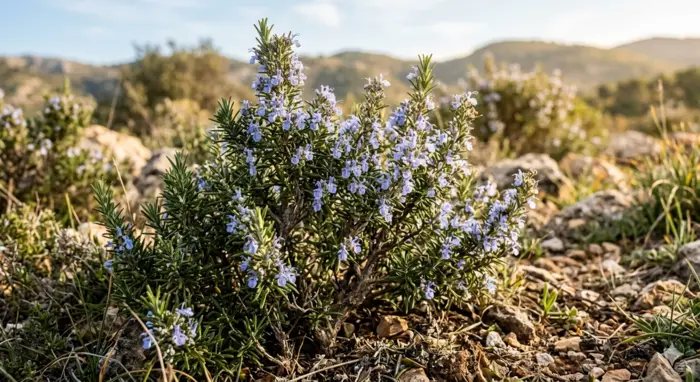
Rosemary for hair growth: If you have spent any time researching natural solutions for hair fall, one herb appears consistently across both ancient texts and modern scientific journals — rosemary. From Ayurvedic practitioners to dermatologists publishing peer-reviewed research, rosemary has earned a distinction that very few herbs ever achieve: traditional wisdom and modern science are in complete agreement about its benefits for hair.
In Pakistan, where hair fall is among the most commonly searched health concerns, and where trust in harsh chemical treatments is increasingly giving way to natural alternatives, rosemary essential oil for hair growth deserves a thorough and honest examination. Not the surface-level “rosemary is good for hair” content that floods the internet — but a genuinely deep look at what this plant is, what it contains at a molecular level, what clinical research actually shows, and how to use rosemary oil for hair fall control and regrowth correctly.
What Is Rosemary? Complete Botanical Profile of This Hair Herb
Before understanding what rosemary does for hair, it is important to understand what rosemary actually is — its identity, its origin, and the conditions that shape its potency as a hair herb.
Scientific Name and Classification of Salvia Rosmarinus
Rosemary’s full scientific classification:
| Classification Level | Name |
| Kingdom | Plantae |
| Order | Lamiales |
| Family | Lamiaceae (mint family) |
| Genus | Salvia |
| Species | Salvia rosmarinus |
| Former name | Rosmarinus officinalis L. |
| Urdu / Local name | Rusmari (روزماری) |
| Arabic name | Iklil al-jabal (إكليل الجبل) |
Rosemary was officially reclassified from Rosmarinus officinalis to Salvia rosmarinus in 2017 following genetic analysis. Both names still appear across scientific literature. If you encounter either name in research papers, they refer to the same plant.
Rosemary belongs to the Lamiaceae family — the same plant family as other potent medicinal herbs including basil, mint, lavender, and thyme. This family is characterised by aromatic volatile oils, which is central to why rosemary works so effectively for scalp and hair health.
Where Rosemary Grows and Why It Matters for Hair Herb Potency
Rosemary is native to the Mediterranean basin — specifically the coastal regions of southern Europe and northern Africa. It thrives in dry, rocky, sun-drenched environments with excellent drainage and high mineral soil content.
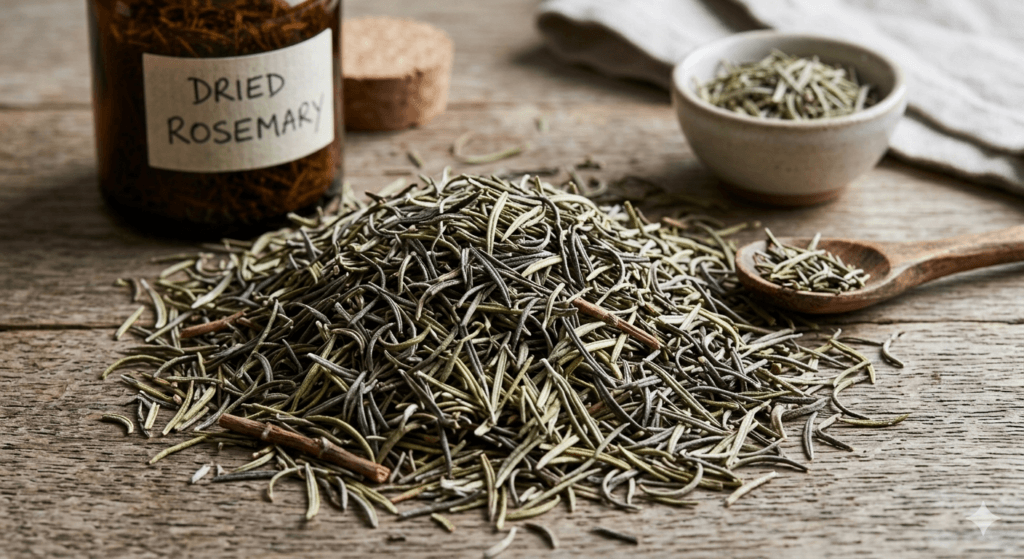
Rosemary is commercially cultivated today in Spain, France, Morocco, Tunisia, Turkey, and increasingly across parts of South Asia. The chemotype (chemical variety) of rosemary varies by region — Spanish rosemary tends to be high in camphor, while Tunisian rosemary is typically higher in 1,8-Cineole. Both chemotypes are beneficial for hair, though with slightly different primary mechanisms.
Rosemary Chemical Compounds That Directly Benefit Hair Growth
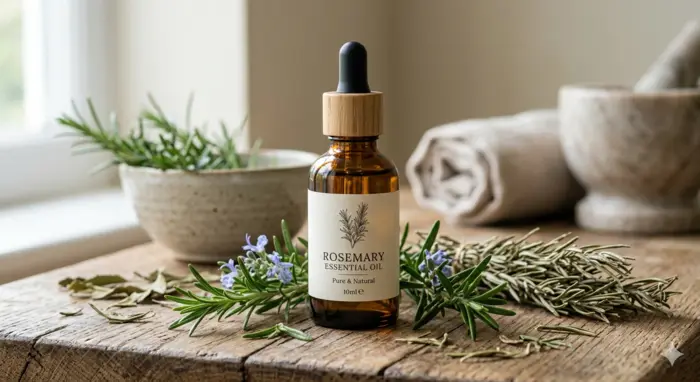
This section is where most rosemary articles fail completely. Saying rosemary is good for hair without explaining why is scientifically meaningless. The entire credibility of rosemary for hair growth rests on its specific chemical composition and the documented mechanisms of its active compounds.
Rosemary contains two major categories of bioactive compounds relevant to hair health: phenolic antioxidants and volatile terpenes. Understanding both is essential.
Ursolic Acid – The DHT Blocker for Hair Fall Control
Ursolic acid is arguably the most pharmacologically significant compound in rosemary for people experiencing hair fall related to hormonal causes. Its mechanism is specific and well-documented.
DHT — dihydrotestosterone — is the primary androgen responsible for follicle miniaturisation in both men and women experiencing pattern hair loss. DHT is produced when the enzyme 5-alpha reductase converts free testosterone into DHT. Follicles that are genetically sensitive to DHT progressively shrink over time, producing thinner, shorter hairs until they stop producing hair altogether.
Ursolic acid has been shown in multiple studies to inhibit 5-alpha reductase activity — blocking DHT production at a molecular level. This is precisely the same mechanism targeted by pharmaceutical treatments including finasteride and dutasteride. The difference is that ursolic acid achieves this through a natural topical application rather than systemic pharmaceutical intervention.
For rosemary oil hair fall control in both men and women, this DHT-inhibiting action is the primary scientific basis.
Rosmarinic Acid – Antioxidant Protection for Hair Follicles
Rosmarinic acid is rosemary’s most abundant phenolic compound and one of the most potent antioxidants found in any plant. Studies have demonstrated it to be significantly more effective than vitamin E as a free radical scavenger under certain conditions.
For hair follicles, oxidative stress is a silent and progressive destroyer. Free radicals — produced by pollution, UV exposure, stress, and normal cellular metabolism — accumulate in scalp tissue and damage follicle DNA, disrupt the hair cycle, and accelerate follicle ageing. Rosmarinic acid neutralises these free radicals before they can damage follicle structure.
In Pakistan’s urban environments particularly — where air pollution, sun exposure, and hard water create a high oxidative burden on the scalp — rosmarinic acid’s antioxidant protection is especially relevant.
Carnosic Acid and Nerve Regeneration Around Hair Follicles
Carnosic acid is one of rosemary’s most scientifically exciting compounds for hair growth specifically. Research published in Phytotherapy Research demonstrated that carnosic acid promotes the regeneration of peripheral nerve tissue — specifically the type of nerve fibres that surround and communicate with hair follicles.
Healthy nerve supply is essential for normal follicle function. The dermal papilla — the cluster of specialised cells at the base of each follicle that controls hair growth initiation — depends on neural signalling to maintain activity. Carnosic acid’s nerve-regenerating properties provide support to this system.
Carnosol, which works synergistically with carnosic acid, provides additional antioxidant and anti-inflammatory activity, reinforcing follicle protection from multiple pathways simultaneously.
1,8-Cineole – Scalp Circulation and Anti-Dandruff Benefits
1,8-Cineole, also known as eucalyptol, typically comprises 15–30% of rosemary essential oil depending on its chemotype and origin. It is one of the most therapeutically active compounds in the oil and works through multiple mechanisms relevant to hair health.
First, it is a potent vasodilator — it stimulates blood flow to the area of application. When applied to the scalp, improved circulation delivers more oxygen and nutrients directly to follicles, supporting a more active and sustained anagen (growth) phase of the hair cycle.
Second, 1,8-Cineole demonstrates meaningful antimicrobial and antifungal activity. Malassezia — the yeast responsible for dandruff and seborrhoeic dermatitis — is one of the most common causes of scalp inflammation and secondary hair fall in Pakistan. 1,8-Cineole directly targets this organism, reducing scalp inflammation that chokes follicles and causes excessive shedding.
Additional terpene compounds worth noting:
Camphor (10–20% of oil) is a strong local vasodilator that further enhances scalp circulation and gives rosemary oil its characteristic warming sensation on application — a sign of improved blood flow.
Alpha-pinene and Beta-pinene are monoterpenes with anti-inflammatory properties. Alpha-pinene also demonstrates acetylcholinesterase inhibitory activity, contributing to improved peripheral nerve signalling around follicles.
Borneol acts as a natural skin penetration enhancer — it helps other active compounds cross the skin barrier and reach the dermal layer where follicles are actually located, making the entire formulation more bioavailable.
Rosemary Oil vs Minoxidil – What Science Actually Proves
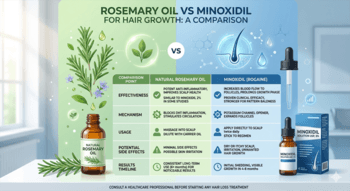
The rosemary vs minoxidil debate is the question most people searching for rosemary oil for hair growth in Pakistan genuinely want answered. Let us look at the evidence honestly and completely.
The 2015 Clinical Trial That Changed Everything
The most significant piece of clinical research on rosemary for hair growth was published in SKINmed: Dermatology for the Clinician in 2015, authored by Panahi, Taghizadeh, Marzony, and Mohammadi.
This was a randomised, double-blind, comparative clinical trial — the gold standard methodology in medical research. The study enrolled men and women diagnosed with androgenetic alopecia (pattern hair loss) and divided them into two groups over 6 months:
- Group 1: Applied 2% minoxidil solution to the scalp twice daily
- Group 2: Applied rosemary oil (diluted in a carrier) to the scalp twice daily
Results at the 6-month mark showed no statistically significant difference in hair count between the two groups. Both treatments produced comparable improvements in hair density. However — and this is clinically important — the rosemary group reported significantly less scalp itching than the minoxidil group. Scalp itching is one of the most common reasons people discontinue minoxidil treatment, making rosemary’s comparable efficacy with better tolerability a meaningful finding.
Supporting Research on Rosemary Essential Oil for Hair Growth
The 2015 trial is not the only evidence. A 2010 study in Phytotherapy Research demonstrated that carnosic acid in rosemary promoted gene expression associated with dermal papilla cell activity — the cells directly responsible for initiating new hair growth. Activation of quiescent dermal papilla cells is one of the key targets of pharmaceutical hair loss research globally.
Multiple studies have confirmed that topical application of rosemary compounds, particularly 1,8-Cineole and camphor, significantly increases cutaneous blood flow. A study in the Journal of Neurological Sciences confirmed vasodilatory effects of 1,8-Cineole in peripheral circulation — supporting the mechanistic basis for improved follicle nutrition.
Honest Limitations – What the Research Does Not Show
Scientific honesty is essential. The evidence for rosemary is genuinely strong relative to the overwhelming majority of herbal hair treatments — but it must be contextualised correctly.
Most studies have been conducted on relatively small sample sizes. Larger, multi-centre, randomised controlled trials across diverse populations are needed before categorical clinical claims can be made. The 2015 study, while rigorous in methodology, involved a specific patient population with androgenetic alopecia — its results may not apply equally to all causes of hair loss.
Rosemary works best for diffuse thinning, early-to-moderate androgenetic hair loss, and dandruff-related shedding. It is not a treatment for alopecia areata, severe scarring alopecia, or hair loss caused by systemic illness. Managing expectations honestly is part of responsible herbal guidance.
Ayurvedic Perspective on Rosemary Herb for Hair
How Rosemary Fits into Ayurvedic Hair Care Philosophy
In Ayurvedic classification, rosemary is considered to have ushna (heating) virya — a warming energetic quality. This makes it particularly suited for addressing kapha and vata imbalances, both of which are associated with reduced circulation, sluggishness, and insufficient nutrient delivery to peripheral tissues including the scalp.
Kapha imbalance in hair manifests as heavy, oily scalp, slow growth, and hair that lacks vitality. Vata imbalance manifests as dry scalp, brittle hair, excessive shedding, and an overactive nervous system — all of which are worsened by stress. Rosemary’s warming, circulatory-stimulating, and nerve-nourishing properties address both patterns.
Traditional Mediterranean herbalism has documented rosemary for scalp and hair treatments for centuries. The Greek physician Dioscorides referenced rosemary preparations for hair strengthening in De Materia Medica — a text that formed the foundation of herbal medicine across the Arab world and South Asia for over a millennium.
Combining Rosemary with Traditional Pakistani Hair Care Herbs
Rosemary does not need to replace the herbal traditions already present in Pakistani hair care — it integrates powerfully alongside them.
Combined with amla (Indian gooseberry), rosemary’s DHT-blocking properties are complemented by amla’s exceptionally high Vitamin C content and 5-alpha reductase inhibitory activity — creating a dual-action approach to hormonal hair fall.
Combined with bhringraj (Eclipta alba), rosemary’s circulation-stimulating camphor and cineole work alongside bhringraj’s wedelolactone content, which has demonstrated hair follicle regeneration properties in animal studies.
Combined with brahmi (Bacopa monnieri), rosemary’s peripheral nerve support is complemented by brahmi’s established adaptogenic and nervine tonic properties — a combination particularly relevant for stress-related hair fall, which is extremely common in Pakistan’s urban population.
Rosemary for Specific Hair Problems in Pakistan
Rosemary for Hair Fall Control in Hard Water Areas
Hard water — characterised by high concentrations of dissolved calcium and magnesium — is extremely prevalent across Punjab, Sindh, and KPK. It deposits mineral scale on the scalp, disrupts the scalp’s natural pH, clogs follicle openings, and creates a chronic low-grade inflammatory environment that progressively weakens hair roots.
Rosemary oil for hair fall control and rosemary for hair growth Pakistan searches consistently show this concern — it is particularly relevant because of its anti-inflammatory and antifungal properties. While it cannot remove mineral deposits, it reduces the inflammatory response they trigger, helping to maintain a healthier follicle environment despite the challenging water quality.
Rosemary Oil for Male Pattern Hair Loss
For men experiencing the characteristic receding hairline or crown thinning of androgenetic alopecia, rosemary’s ursolic acid content makes it the most pharmacologically justified single herb to use. Its 5-alpha reductase inhibitory action directly targets the DHT mechanism driving pattern hair loss.
Applied consistently — twice daily to affected areas — rosemary essential oil for hair growth in men mirrors the treatment protocol used in the 2015 clinical trial. Results require patience: a minimum of 3–6 months of consistent use before meaningful change in hair count is observed.
Rosemary for Dandruff-Related Hair Fall
Dandruff-related hair fall is significantly underdiagnosed in Pakistan. Many people believe they are experiencing primary hair fall when the actual driver is scalp inflammation caused by Malassezia yeast overgrowth — a condition triggered by heat, humidity, oily scalp, and the frequent use of harsh shampoos.
Rosemary’s 1,8-Cineole content directly targets Malassezia with antifungal activity, while its anti-inflammatory compounds reduce the scalp inflammation that chokes follicles and causes reactive shedding. For dandruff-related hair fall specifically, the rosemary tea rinse method described below is particularly effective as a leave-in scalp treatment.
Can Rosemary Help with Grey Hair?
Preliminary research suggests rosmarinic acid’s powerful antioxidant activity may help protect melanocytes — the pigment-producing cells within hair follicles — from oxidative damage. Oxidative stress is one of the established contributing factors to premature greying, alongside genetics and nutritional deficiency.
There is currently no robust clinical evidence that rosemary reverses established grey hair. However, as a preventive measure for individuals experiencing premature greying related to oxidative stress, consistent use of rosemary-based scalp treatments is a scientifically reasonable approach. This should not be presented as a certainty — it is an area of ongoing research.
How to Use Rosemary Oil for Hair Growth – 4 Proven Methods
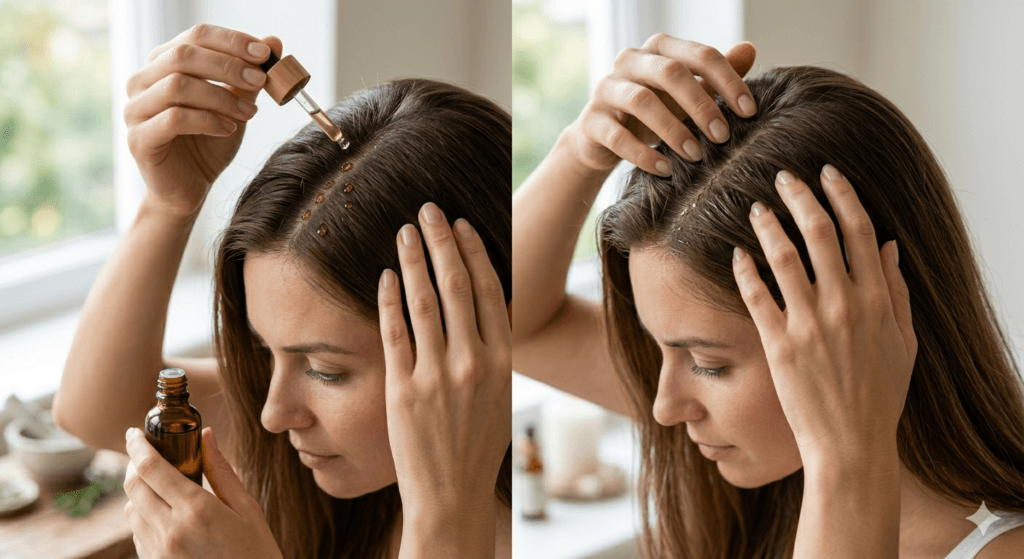
Method 1 – Rosemary Essential Oil in Carrier Oil (Most Effective)
This is the method most directly supported by clinical research and the closest to the protocol used in the 2015 comparative trial.
What you need:
- 3–5 drops of pure rosemary essential oil
- 1 tablespoon (15ml) of carrier oil — coconut, olive, jojoba, or sesame
Method: Combine the oils in a small bowl or directly in the palm. Part your hair into sections and apply directly to the scalp — not the hair shaft. Massage gently using circular fingertip pressure for 5–10 minutes. This massage component is important: it mechanically stimulates scalp circulation in addition to the vasodilatory effect of the oil itself. Leave on for a minimum of 2 hours or overnight, then wash out with a gentle shampoo.
Frequency: 2–3 times per week minimum. Daily application is acceptable for those who do not find it irritating.
Critical safety note: Never apply undiluted rosemary essential oil directly to the scalp. Pure essential oil is highly concentrated — typically 50–100 times more potent than the whole herb — and can cause chemical burns, severe irritation, or allergic reaction on undiluted skin contact.
Method 2 – Homemade Rosemary Infused Oil for Hair
This method produces a gentler, whole-herb preparation that captures a broader range of rosemary’s water and oil-soluble compounds. It is particularly suitable for sensitive scalps and for daily use as a maintenance treatment.
Cold infusion method: Fill a clean glass jar with dried rosemary leaves (not fresh — moisture causes spoilage). Cover completely with a light carrier oil such as olive or sunflower oil. Seal tightly and place in a warm, sunny windowsill for 4–6 weeks, shaking daily. Strain through cheesecloth and store in a dark glass bottle.
Heat infusion method (faster): Combine dried rosemary and carrier oil in a double boiler over very low heat — the oil should be warm but never simmering or smoking. Maintain this gentle temperature for 2–3 hours. Strain and cool completely before bottling.
Use exactly as you would the essential oil blend — scalp application, massage, and leave-in for 2+ hours.
Method 3 – Rosemary Tea Rinse for Hair Growth
This method is particularly effective for dandruff, oily scalp, and scalp inflammation, and is an excellent entry point for those new to herbal hair care.
Preparation: Add 2–3 sprigs of fresh rosemary or 2 tablespoons of dried rosemary to 500ml of water. Bring to a boil, reduce heat, and simmer for 15 minutes. Remove from heat, cover, and allow to cool completely to room temperature. Strain carefully.
Application: After shampooing and conditioning as normal, pour the cooled rosemary tea slowly over your scalp and hair. Massage gently into the scalp for 2–3 minutes. Do not rinse out — leave it in. Style as normal.
Frequency: 3–4 times per week. The water-soluble rosmarinic acid and anti-inflammatory compounds absorb into the scalp without the weight of an oil, making this ideal for those with fine hair or oily scalps who find oil treatments too heavy.
Method 4 – Rosemary Tea as an Internal Supplement
While the primary and most strongly evidenced application of rosemary for hair growth is topical, the antioxidant compounds in rosemary tea — particularly rosmarinic acid — do exert systemic antioxidant effects when consumed regularly.
Prepare a mild infusion of 1 teaspoon of dried rosemary in 250ml of hot water for 5 minutes. One to two cups daily is a reasonable amount for general antioxidant support.
This should be considered a complementary practice — it supports overall health including scalp tissue health — not a standalone treatment for hair loss. People with epilepsy, those on blood thinning medications, or pregnant women should consult a doctor before regular therapeutic use.
How Much Rosemary Oil to Use and How Often – Dosage Guide
One of the most common mistakes people make with rosemary essential oil for hair growth is either using too little to produce an effect, or using too much and causing irritation. The following guidelines are based on standard aromatherapy dilution ratios and the protocols used in published research:
| Application Type | Rosemary EO | Carrier Oil | Frequency |
| Scalp treatment – normal skin | 3–5 drops | 1 tablespoon (15ml) | 2–3x per week |
| Scalp treatment – sensitive skin | 2–3 drops | 1 tablespoon (15ml) | 2x per week |
| Full scalp coverage | 8–10 drops | 3 tablespoons (45ml) | 2–3x per week |
| Rosemary tea rinse | 2 tbsp dried herb | 500ml water | 3–4x per week |
| Internal tea | 1 tsp dried herb | 250ml hot water | 1–2x daily |
Consistency matters far more than quantity. Moderate, regular application over 3–6 months produces better results than heavy, infrequent applications.
When Rosemary Cannot Help – Be Honest with Yourself
Rosemary is a genuinely powerful herb for hair health — but it has clear and important limitations that must be stated honestly.
Rosemary cannot regenerate hair from permanently closed follicles. Once a follicle has undergone complete fibrosis — which occurs in advanced androgenetic alopecia after years of progressive miniaturisation — no herb, oil, or topical treatment of any kind will reactivate it. At this stage, medical options including platelet-rich plasma (PRP) therapy or surgical hair transplantation are the appropriate interventions.
Rosemary cannot treat alopecia areata — an autoimmune condition characterised by patchy hair loss — as this condition requires immunomodulatory medical treatment, not topical herbal therapy.
Rosemary should not be the sole response to sudden, severe, or rapidly progressing hair fall — particularly when accompanied by fatigue, weight changes, irregular menstrual cycles, or other systemic symptoms. These patterns may indicate thyroid dysfunction, iron deficiency anaemia, polycystic ovarian syndrome (PCOS), or other underlying conditions that require proper medical diagnosis and treatment.
If you are experiencing any of these patterns, please consult a dermatologist or trichologist in addition to any herbal protocol you follow.
Key Takeaways – Rosemary for Hair Growth Summary
- Rosemary (Salvia rosmarinus) contains ursolic acid, rosmarinic acid, carnosic acid, 1,8-Cineole, and camphor — compounds with specific, documented mechanisms for supporting hair growth and reducing hair fall
- A 2015 randomised clinical trial demonstrated rosemary oil performed comparably to 2% minoxidil for hair count increase over 6 months, with significantly less scalp irritation
- Primary mechanisms include DHT inhibition, improved scalp circulation, antioxidant follicle protection, nerve tissue support, and antifungal activity against dandruff-causing organisms
- Topical application via essential oil diluted in carrier oil (2–3 times weekly) is the most evidence-supported method
- Results require consistent use over a minimum of 3–6 months — patience is essential
- Rosemary integrates powerfully with traditional Pakistani and Ayurvedic hair herbs including amla, bhringraj, and brahmi
- It is most effective for early-to-moderate thinning, hormonal hair fall, dandruff-related shedding, and improving texture for rosemary for thick hair results over time — not advanced alopecia or autoimmune hair loss
Frequently Asked Questions About Rosemary for Hair Growth Pakistan
Does rosemary oil actually grow hair?
Yes, with important qualifications. A 2015 randomised clinical trial — the gold standard of medical evidence — showed rosemary oil produced comparable hair count improvement to 2% minoxidil over 6 months in people with androgenetic hair loss. It is most effective for diffuse thinning and early-to-moderate pattern hair loss. It will not regrow hair from permanently closed follicles.
How long does rosemary take to show results for hair growth?
Based on clinical evidence, consistent use for a minimum of 3–6 months is required before meaningful improvement in hair count or density is typically observed. The 2015 trial ran for exactly 6 months. Hair growth is a slow biological process — premature discontinuation is the most common reason people report that rosemary “did not work.”
Can I apply rosemary oil directly to my scalp without diluting it?
No — this is an important safety point. Undiluted rosemary essential oil is approximately 50–100 times more concentrated than the whole herb and can cause chemical burns, severe scalp irritation, or allergic contact dermatitis. Always dilute 3–5 drops in at least 1 tablespoon of a carrier oil such as coconut, olive, or jojoba oil before scalp application.
Is rosemary safe to use during pregnancy?
Rosemary in normal culinary amounts — as a cooking herb or very mild tea — is generally considered safe. However, therapeutic-strength rosemary essential oil should be avoided during pregnancy due to its potential emmenagogue properties (stimulating uterine contractions). Please consult your gynaecologist before using any concentrated herbal preparation during pregnancy or breastfeeding.
Can rosemary help with hair fall caused by stress?
Rosemary’s antioxidant compounds help reduce oxidative damage to follicles that worsens during periods of stress. However, stress-related hair fall — clinically known as telogen effluvium — is primarily driven by the physiological stress response itself, not by scalp oxidative damage alone. Managing the underlying stress through adequate sleep, nutritional support, and stress reduction is essential alongside any topical herbal treatment.
Which is better for hair growth — rosemary essential oil or rosemary infused oil?
Both are beneficial and serve slightly different purposes. Rosemary essential oil diluted in carrier oil is more concentrated, better supported by clinical research, and more appropriate for active hair fall or significant thinning. Rosemary infused oil is gentler, less likely to irritate sensitive scalps, and better suited for maintenance, daily use, or those with reactive skin. Begin with infused oil if you have a sensitive scalp, and progress to essential oil dilution if you find it well-tolerated.
Can rosemary reverse grey hair?
There is preliminary scientific rationale suggesting rosmarinic acid’s antioxidant activity may protect melanocytes from oxidative damage — a contributing factor in premature greying. However, there is currently no robust clinical evidence that rosemary reverses established grey hair. It is a reasonable preventive measure for those concerned about premature greying, but should not be presented or expected to function as a guaranteed treatment.
Where can I find good quality rosemary oil in Pakistan?
Pure rosemary essential oil is available from herbal suppliers in major cities including Karachi, Lahore, and Islamabad, as well as from various online stores. When purchasing, look for oils labelled as 100% pure essential oil — not fragrance oil or synthetic rosemary — with the botanical name Salvia rosmarinus or Rosmarinus officinalis listed on the packaging. Dark glass bottle storage indicates quality consciousness from the supplier.

Dr. KJ Minhas, M.Phil, DHMS (Diploma in Homeopathic Medicine and Surgery), registered practitioner with the National Council for Homeopathy (NCH) — reviews content for accuracy and safety.