
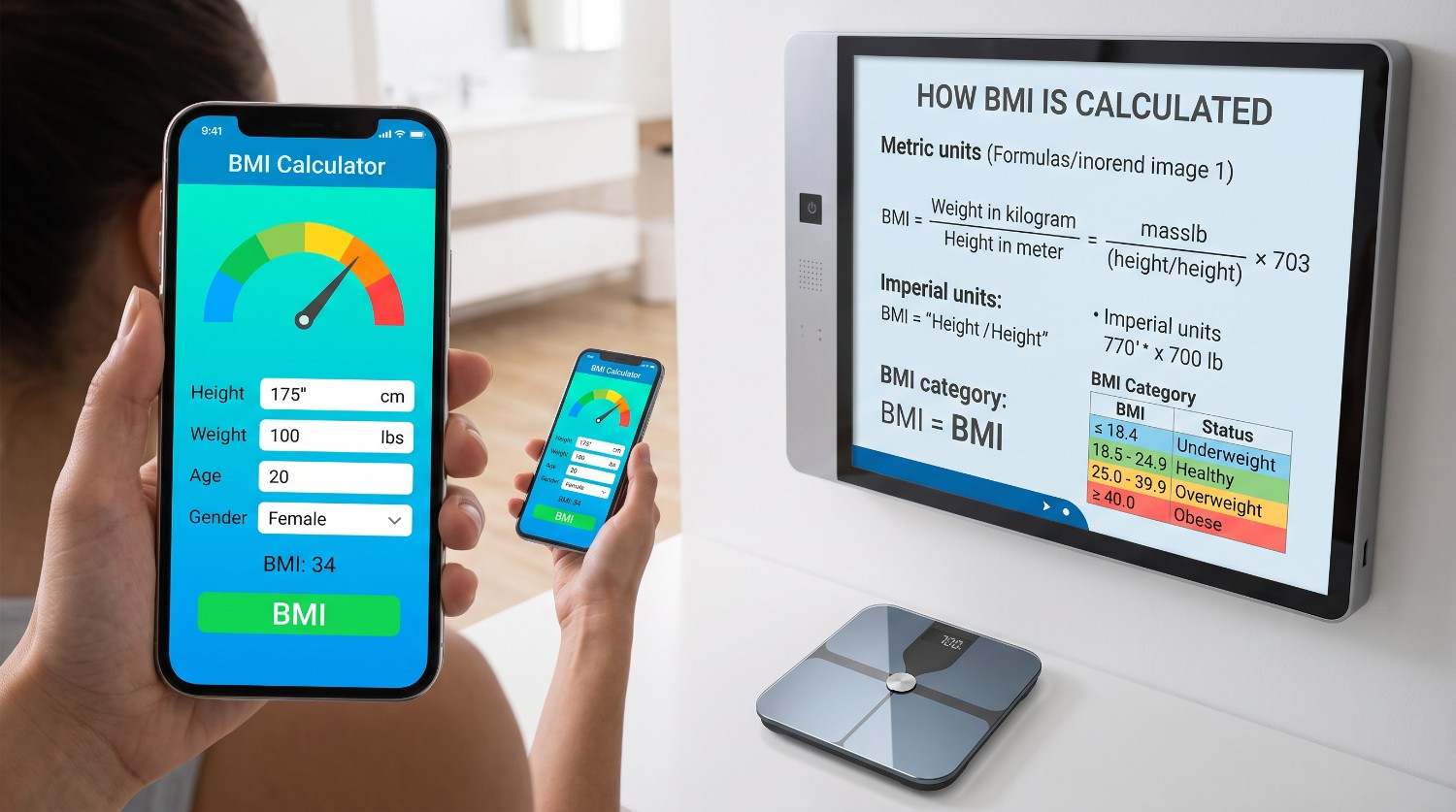
Free BMI Calculator in Kg and Feet: Instant Body Mass Index Tool
Body Mass Index (BMI) is an essential health screening metric used to estimate body fat based on an individual’s weight and height. Using a reliable bmi calculator in kg and feet allows you to quickly evaluate whether you fall into an underweight, normal, overweight, or obese weight category. Whether you are tracking fitness progress or setting personal health goals, our free online tool provides immediate, accurate insights.
While BMI does not directly measure body fat percentage or muscle mass, using a free BMI calculator online offers a quick, accessible starting point for assessing overall wellness, tracking body composition trends, and understanding your general physical baseline.
How to Use Our BMI Calculator in Kg and Feet
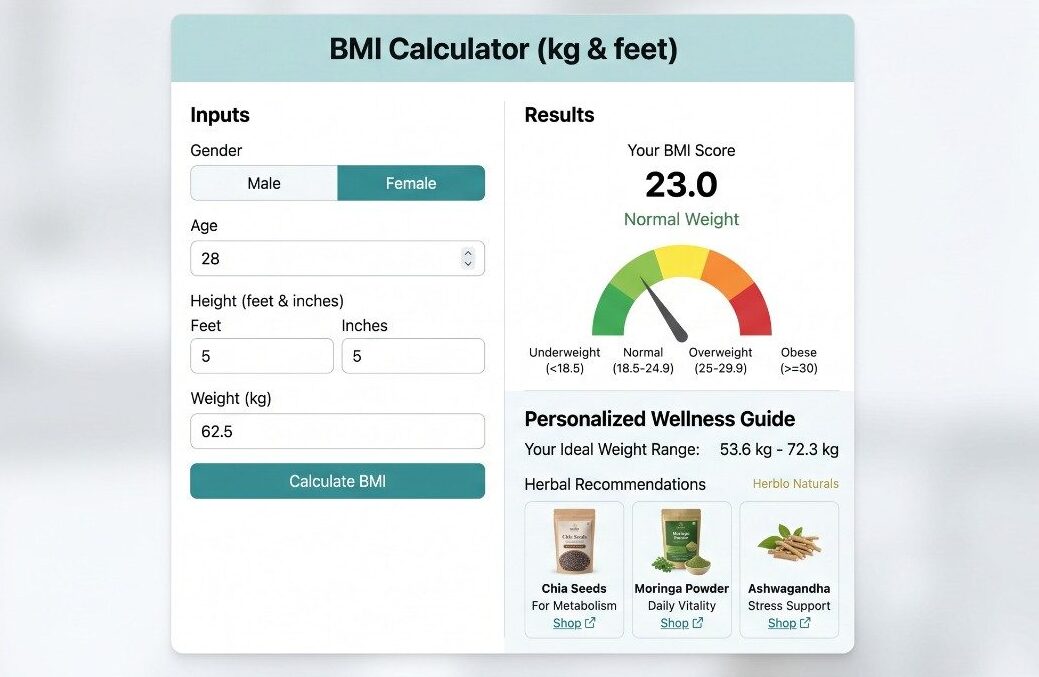
Using our interactive calculator is straightforward and takes only a few seconds:
- Enter Your Weight: Input your current weight in kilograms (kg).
- Enter Your Height: Input your height in feet and inches (ft / in).
- Calculate: Click the calculate button to instantly see your exact score and corresponding weight category.
BMI Calculator (kg & feet)
Results
Personalized Wellness Guide

Standard BMI Categories Defined
Once your body mass index is calculated, your score falls into one of four standard categories established by health authorities:
- Below 18.5 (Underweight): May indicate insufficient calorie or nutrient intake, low muscle mass, or other underlying health considerations.
- 18.5 – 24.9 (Normal / Healthy Weight): Reflects an optimal balance associated with lower risks of metabolic and cardiovascular issues.
- 25.0 – 29.9 (Overweight): Points to excess body weight relative to your height, which can often be managed through balanced nutrition and active lifestyle adjustments.
- 30.0 and above (Obesity): Indicates higher body fat proportions that may increase susceptibility to chronic conditions, requiring proactive wellness steps.
Why Use a Specialized BMI Calculator in Kg and Feet?
While many online health tools rely strictly on centimeters or pounds, our bmi calculator in kg and feet is tailored specifically for users who measure their height in feet and inches while keeping track of their weight in kilograms. This dual-unit approach removes manual conversion friction, ensuring precise and seamless calculations every time.
Understanding Standard BMI Categories
Once your Body Mass Index is calculated, your score falls into one of four standard categories defined by the World Health Organization (WHO):
- Underweight (BMI below 18.5): May indicate insufficient nutrient intake, low muscle mass, or underlying health conditions.
- Normal / Healthy Weight (BMI 18.5 – 24.9): Indicates an optimal weight range associated with lower risks of cardiovascular issues and metabolic disorders.
- Overweight (BMI 25.0 – 29.9): Suggests excess body weight relative to height. Modest lifestyle adjustments often help bring this back into a healthy range.
- Obesity (BMI 30.0 and above): Indicates higher body fat proportions, which can increase susceptibility to chronic conditions such as high blood pressure, type 2 diabetes, and joint stress.
Using a healthy weight range calculator periodically helps you monitor where your score sits within these ranges and take proactive steps toward optimal balance.
How to Naturally Improve Your Weight and BMI
Maintaining a healthy weight relies on balanced nutrition, regular physical activity, and wholesome lifestyle habits. Incorporating natural herbs, seeds, and active wellness practices can help support a healthy metabolism and overall vitality. Keep track of your health regularly using our free BMI calculator to stay on top of your wellness goals.
Limitations of Body Mass Index Measurements
Although a body mass index calculator is an effective preliminary screening tool, it has certain limitations to keep in mind:
- Muscle Density vs. Fat: High-performing athletes and bodybuilders may score in the "overweight" or "obese" categories due to dense muscle mass, despite having very low body fat.
- Age and Gender Variations: Older adults naturally lose muscle mass, which can make BMI underestimate fat levels. Similarly, body fat distribution naturally differs between men and women.
- Bone Density and Frame Size: Individuals with larger bone structures may weigh more without carrying excess fat tissue.
For a complete health evaluation, pair your BMI measurements with body waist circumference, physical activity levels, and routine medical checkups.
Natural Strategies to Maintain a Healthy Weight and BMI
Achieving and sustaining a healthy BMI involves holistic daily habits that nourish your body from the inside out:
1. Focus on Nutrient-Dense Whole Foods
Prioritize whole grains, fresh vegetables, lean proteins, and natural seeds like chia and flax. These provide essential dietary fiber, sustained energy, and essential micronutrients without unnecessary empty calories.
2. Incorporate Regular Exercise
Combine aerobic cardiovascular activities (such as brisk walking, swimming, or cycling) with resistance training to boost metabolic function, enhance calorie burn, and maintain healthy lean muscle mass.
3. Support Metabolism Naturally
Wholesome botanical remedies, botanical teas, and unrefined raw herbs can complement a balanced diet. Herbs known for supporting digestive health and healthy metabolism provide a natural foundation for overall vitality.
4. Prioritize Hydration and Rest
Drinking adequate water throughout the day supports proper digestion and appetite regulation, while getting 7 to 8 hours of restful sleep helps stabilize metabolic hormones.
Read More: Chia Seeds in Urdu — Complete Guide 2026: Benefits, Uses & Where to Buy